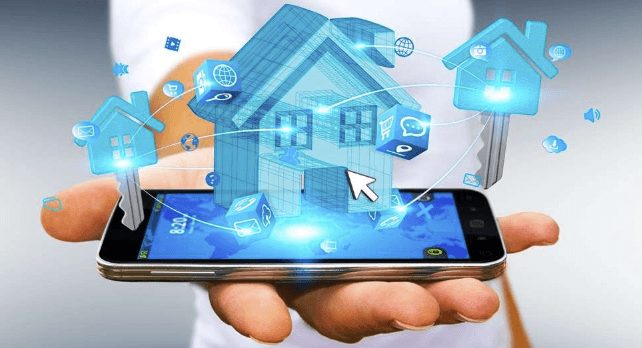

Smart home technology streamlines daily tasks through centralized control and automated routines. It enhances comfort by optimizing lighting, climate, and voice-assisted interactions, while preserving user autonomy. Security and privacy remain central, with transparent data practices and clear user controls. Energy monitoring highlights efficiency gains and cost insights, enabling ongoing performance improvements. The balance between convenience and data use invites further consideration of device compatibility, scalability, and how routines shape long-term home management.
How Smart Tech Improves Daily Comfort and Convenience
Smart home technology enhances daily comfort and convenience by automating routine tasks and coordinating devices through centralized control.
The analysis focuses on efficiency gains from smart lighting and voice assistants, which reduce friction in daily routines. By scheduling lighting, adjusting ambience, and enabling hands-free control, occupants experience streamlined interactions, enhanced accessibility, and predictable environments, promoting independence and a freer lifestyle without compromising system clarity.
Enhanced Security and Peace of Mind at Home
However, security upgrades must balance convenience with privacy concerns, ensuring transparent data practices and user control while preserving individual freedom and autonomy in everyday living.
Energy Efficiency and Cost Savings You Can Actually See
Energy efficiency and cost savings with smart home technology become tangible through precise energy monitoring, automated climate control, and device-level optimization.
This approach enables energy benchmarking across systems and real time monitoring of consumption, identifying trends and anomalies.
How to Get Started: Choosing Devices and Building Routines
To begin implementing the gains from efficient energy use, attention turns to selecting compatible devices and establishing practical routines.
The process of getting started emphasizes clear objectives, platform compatibility, and scalable options.
Choosing devices requires evaluating interoperability, security, and energy reporting.
Building routines translates insight into action: synchronized schedules, automated responses, and routine refinements.
A disciplined approach yields consistent, measurable energy and convenience benefits.
Frequently Asked Questions
How Secure Is My Data With Smart Home Devices?
Smart home data security varies; it depends on device practices and vendor controls. Data privacy hinges on encryption, access protections, and update cadence, while cloud storage introduces potential risk. Users should review permissions, opt for local storage where feasible.
Can Smart Devices Work During Power Outages?
Like a lighthouse in darkness, smart devices rarely operate during power outages unless equipped with power backup. In such cases, outage resilience depends on UPS, batteries, and router continuity to maintain essential functions and connectivity.
Do Smart Gadgets Require Ongoing Subscriptions?
Smart gadgets may require ongoing subscriptions depending on services and features. Subscription models exist alongside data privacy considerations; users should weigh cost versus benefit. Informed decisions balance convenience with autonomy, emphasizing transparent terms and minimized data-sharing preferences for freedom-seeking audiences.
See also: How Blockchain Is Supporting Digital Identity Verification
Will Smart Homes Affect Home Insurance Rates?
Smart home insurance generally sees a modest home premium impact, varying by insurer and device reliability. The presence of monitored systems can reduce risk, but coverage specifics and discounts differ; implications depend on policy terms and demonstrated security.
How Do I Troubleshoot Connectivity Issues Quickly?
A staggering surge of signals crowns the room, yet troubleshooting resolves swiftly: quick reset, network mapping, security patching, and device compatibility. The method remains analytical and concise, granting freedom-seeking readers clear, authoritative steps for rapid connectivity restoration.
Conclusion
Smart home technology streamlines daily routines, enhances security, and lowers energy costs through transparent, data-driven controls. By integrating devices and building routines, households gain measurable comfort and predictability without sacrificing privacy. An anticipated objection—concerns about complexity and disruption—is countered by scalable platforms and clear setup paths that gradually expand capabilities. When thoughtfully deployed, smart systems deliver consistent reliability, empower autonomy, and foster long-term cost savings, making home life simpler, safer, and more efficient.